Opening a burger or shawarma shop in Pakistan: a sauce and supply checklist
"How to start a fast food business in Pakistan" and "shawarma business in Pakistan" are small searches in Google, about 10 a month each, but the people who search them are serious about opening. If you are about to open a burger shop, a shawarma counter or a small cafe, sauces are one of the first things to sort out. They touch almost every dish, and a mistake in the first weeks costs money and reputation. This checklist covers the sauce and supply side of opening, with quantities you can use.
Step 1: Settle your menu first
Write the menu before you buy anything. A small menu of eight to twelve items is easier to cost, easier to stock and faster to cook. For each item, list the sauces it uses.
A typical burger and shawarma menu uses:
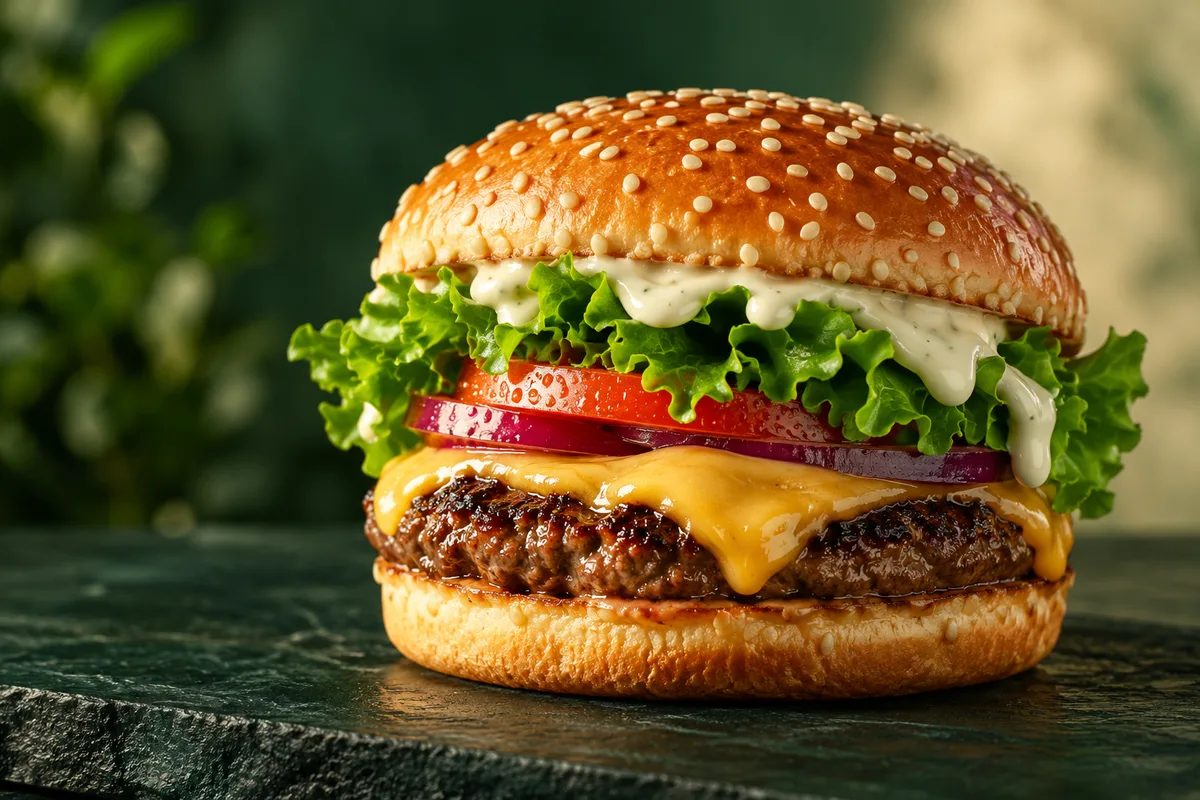
- Mayonnaise for burgers, sandwiches and wraps.
- Garlic mayo for fries, wraps and chicken.
- Tomato ketchup for burgers and fries.
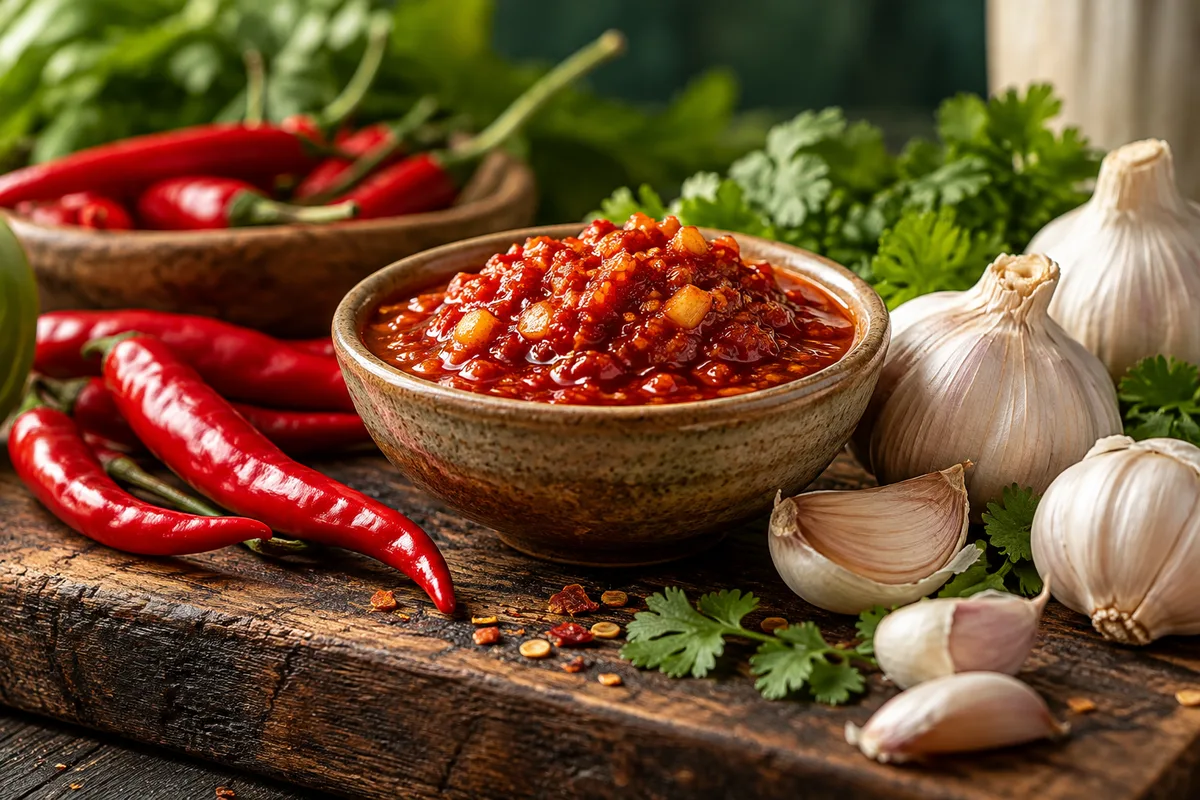
- Chilli garlic sauce for a spicy option.
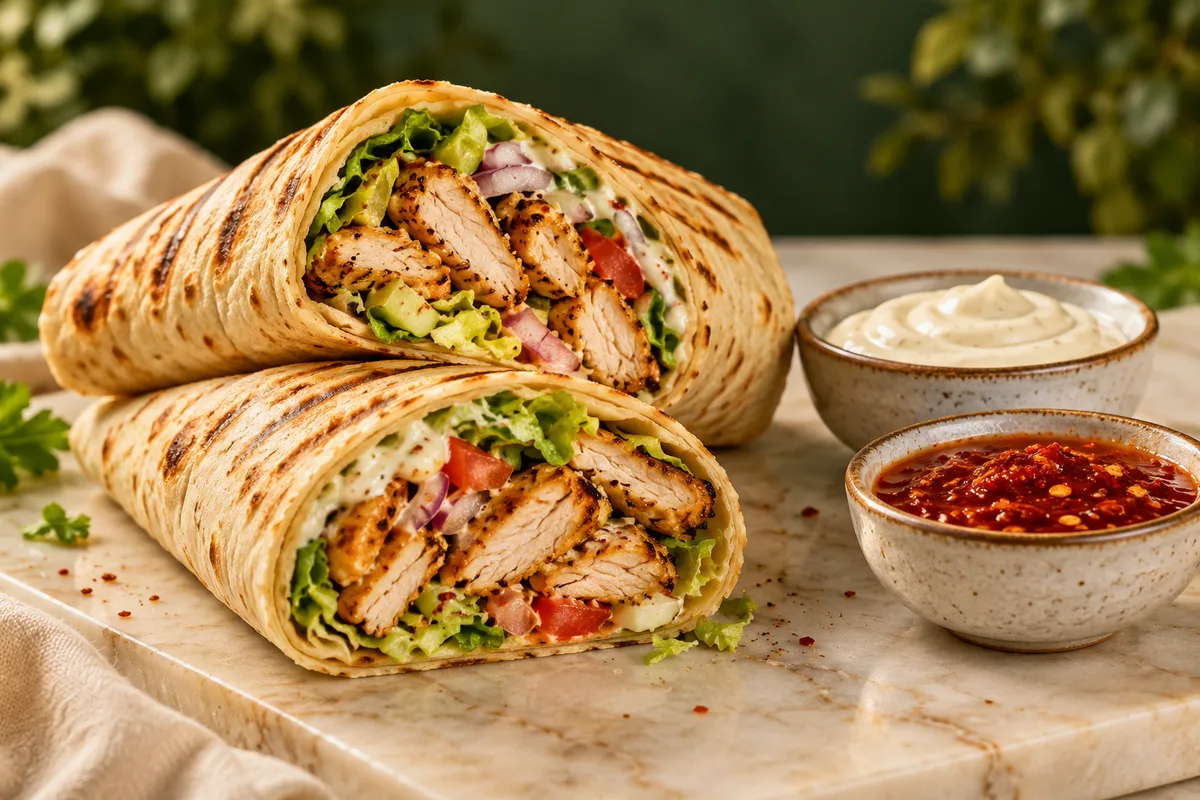
- A shawarma sauce (see our recipe).
Step 2: Check licences and rules
In Punjab, the Punjab Food Authority says an operator can apply for a business licence when they start business, through its app, website or a one-window facility. Our guide to the Punjab Food Authority licence lists the steps and documents. Check the current rules before you open. Operators in other provinces should check their provincial food authority.
Step 3: Cost every dish
You cannot set prices without costs. Weigh the ingredients in each dish, add them up, and compare against your selling price. Our guide to menu costing has a worksheet and a worked example. Do this before you fix your menu prices.
Step 4: Decide your sauce portions
Fix a portion for each sauce. Here is a starting point you can adjust after you taste and test.
| Dish | Sauce | Portion |
|---|---|---|
| Burger | Mayonnaise or burger sauce | 20 g |
| Burger | Ketchup | 10 g |
| Wrap or shawarma | Garlic or shawarma sauce | 30 g |
| Fries | Ketchup (sachet or dip) | 9 g to 18 g |
| Fries | Garlic mayo | 25 g |
| Spicy add-on | Chilli garlic sauce | 9 g |
These are starting points. Weigh your own portions, and write them on a card at each station.
Step 5: Work out opening stock
Use this method.
- Estimate your orders per day. Be careful and use a low number for the first month.
- Estimate how many of each dish you will sell.
- Multiply portions by the grams per portion.
- Multiply by the days you will open in a month.
- Add a buffer of 15 to 20 percent for the first month, because early weeks are hard to predict.
Here is an example with made-up numbers. A shop expects 80 burgers and 40 wraps a day, open 26 days a month.
| Item | Per day | Grams | Per month |
|---|---|---|---|
| Burger sauce (20 g) | 80 | 1,600 g | 41.6 kg |
| Burger ketchup (10 g) | 80 | 800 g | 20.8 kg |
| Wrap sauce (30 g) | 40 | 1,200 g | 31.2 kg |
That adds up to about 94 kg of sauce a month before the buffer. With a 20 percent buffer, about 112 kg. At 4 kg per pouch, that is 28 pouches, or 7 cartons. The calculator on our restaurant supply page does these sums for you.
Step 6: Choose pack formats
Use 4 kg spout pouches for the line, where cooks fill bottles and bowls. Use 9 g sachets for delivery and takeaway. Count how many sachets you will need per order, then multiply. Our guide to sauces for delivery explains how.
Step 7: Set up a supplier
Do not wait until you run out. Ask two or three suppliers for a written quote, ask for samples, and test them on your dishes. Use our 12-point supplier checklist. Agree on a delivery schedule, a minimum order and payment terms before you open.
Step 8: Prepare your kitchen
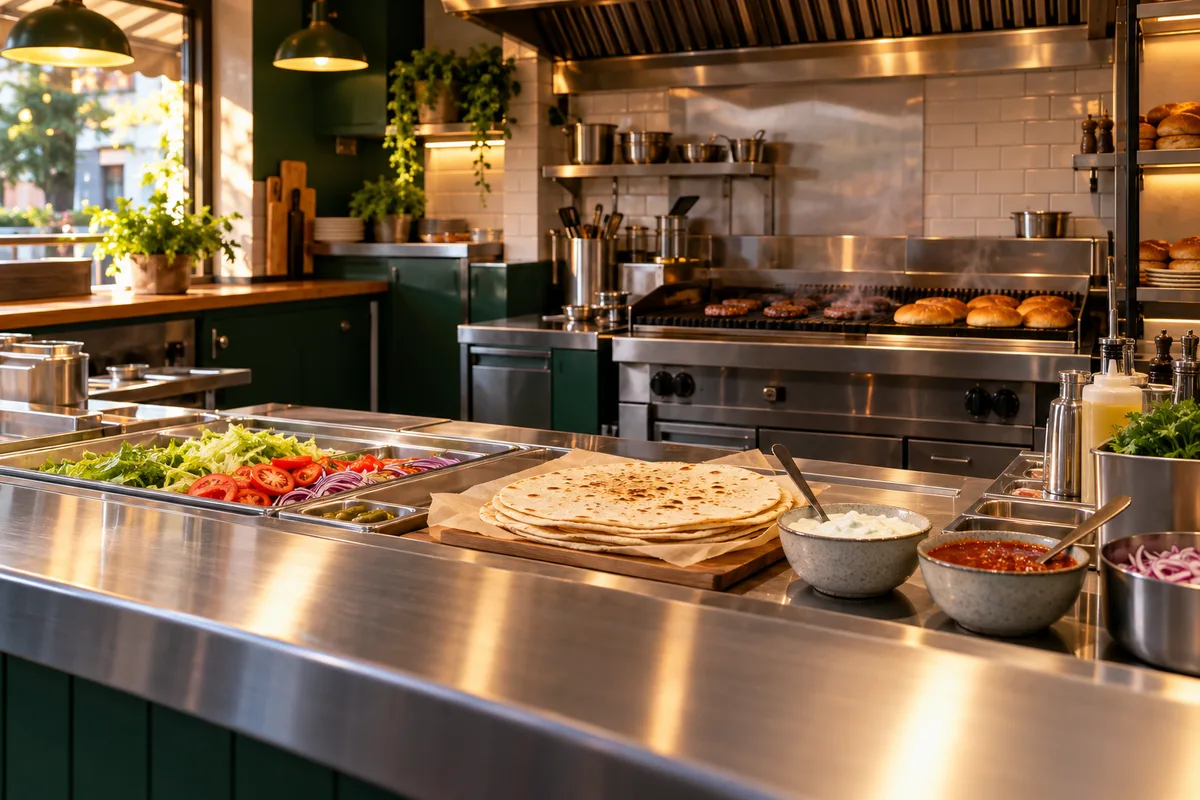
Set up storage before the first delivery.
- A dry, clean shelf for cartons, off the floor.
- Lidded steel or food-grade tubs for batch sauces.
- Squeeze bottles in the right size, with a wash routine.
- Labels and a marker for dates.
- A fridge with space for batch sauces. Our guide to sauce storage and handling has a checklist.
Step 9: Train your team
Write simple standard operating procedures for sauces. Cover portions, labelling, hygiene and cleaning. Train every cook on the first day, and check portions each week for the first month.
Step 10: Soft opening and review
Open softly. Watch which sauces guests ask for. After two weeks, check your stock count against your sales, adjust your orders and improve your recipes. Update your costs when prices change.
Opening-day shopping list
- Mayonnaise pouches, enough for your first month plus a buffer.
- Ketchup pouches.
- Chilli garlic sauce pouches.
- Ketchup and chilli garlic sachets if you offer delivery.
- Squeeze bottles, tubs, labels and a scale.
- A thermometer for your fridge.
Talk to the Orino team
If you are opening a shop, send your menu, expected orders per day and delivery city. The sales team can suggest quantities and quote for pouches and sachets. You can send an enquiry, read the restaurant supply page, call +92 334 0624284 or message the same number on WhatsApp.
Frequently asked questions
How much sauce does a new burger shop need for the first month?
Estimate your portions per day, multiply by the grams per portion and by the days you open. Then add a buffer. The quantity table in this guide shows the sums per 100 orders.
Which sauces does a burger or shawarma shop need?
Most menus start with mayonnaise, tomato ketchup and a chilli sauce. Many add garlic mayo for wraps and fries.
Do I need a licence before I open?
In Punjab, the Punjab Food Authority says an operator can apply for a licence when they start business. Check the current rules on the PFA portal.
Should I buy pouches or sachets when I open?
Use pouches for the kitchen line and dine-in. Add sachets if you plan to offer delivery or takeaway from day one.
How do I get a quote for opening stock from Orino?
Send your menu, expected orders per day and delivery city through the contact page or on WhatsApp, and the sales team will quote.